Stainless Steel Hand Press Sev Maker: A Complete Guide for Every Kitchen
Indian snacks are beloved worldwide for their crunch, flavor, and variety. One of the most popular among them is sev—thin, crispy strands made from gram flour dough, seasoned with spices, and deep-fried until golden. Sev is not only enjoyed on its own but also forms the base of countless street food delights such as bhel puri, sev puri, dahi puri, and sev khamani.
While sev is readily available in stores, many home cooks prefer making it fresh at home for its authentic taste, better hygiene, and customizable flavors. To do this efficiently, a stainless steel hand press sev maker becomes an essential kitchen tool. Compact, durable, and easy to use, this tool simplifies the process of pressing dough into uniform strands.
In this comprehensive guide, we’ll explore everything you need to know about stainless steel sev makers—from features and benefits to usage tips, maintenance, and buying advice.
What is a Stainless Steel Hand Press Sev Maker?
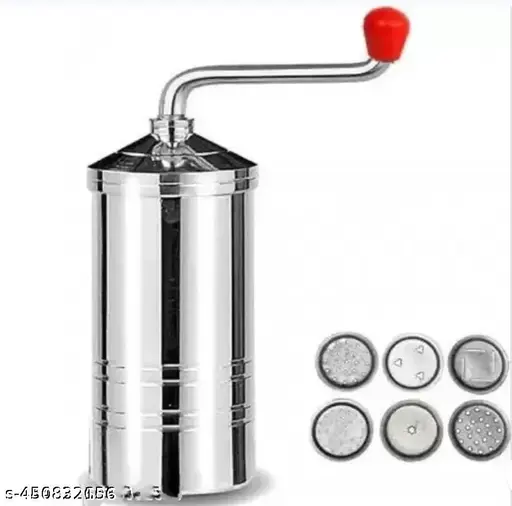
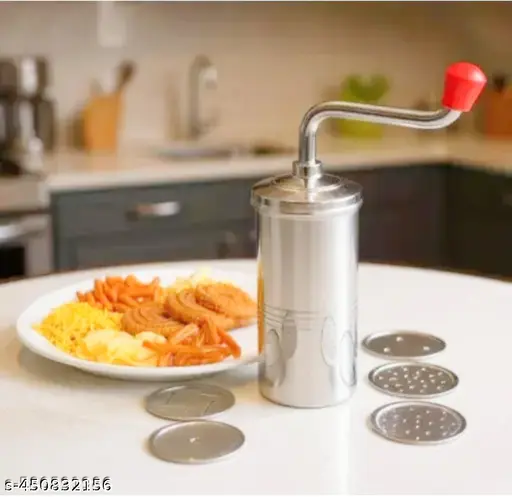
A stainless steel hand press sev maker is a manual kitchen appliance used to prepare sev and other extruded snacks. It works on a simple principle: dough is placed inside a cylindrical container, and by pressing or twisting a handle, the dough is forced out through perforated plates or discs, creating thin strands or shapes.
The stainless steel construction makes it long-lasting, rust-free, and food-safe. Unlike plastic versions, it can withstand pressure and high-frequency use, making it a favorite in both households and small food businesses.
Key Features of a Stainless Steel Sev Maker
Durable Build
Made from high-grade stainless steel, resistant to rust, corrosion, and wear.
Multiple Discs/Nozzles
Typically comes with 5–10 interchangeable plates that create sev in different thicknesses and patterns.
Hand Press or Screw Mechanism
Hand press models require downward pressure, while screw-based models require twisting for extrusion.
Ergonomic Handle
Designed for a firm grip to reduce strain during use.
Compact Design
Easy to store, fits in drawers or kitchen cabinets.
Easy to Clean
Smooth finish makes it simple to wash and maintain hygiene.
Benefits of Using a Hand Press Sev Maker
1. Homemade Goodness
You have full control over ingredients, spices, and oil, ensuring healthier, preservative-free sev.
2. Customization
Make sev of varying thicknesses, flavored with garlic, chili, ajwain, or black pepper.
3. Durability
Stainless steel models last much longer than aluminum or plastic alternatives.
4. Versatility
Not limited to sev—can also prepare chakli, gathiya, murukku, papdi, and other traditional snacks.
5. Compact & Portable
Requires no electricity, lightweight, and suitable for small kitchens.
6. Economical
Buying store-bought sev repeatedly can add up. A one-time investment in a sev maker saves money in the long run.
Types of Sev Makers
Hand Press (Plunger Style)
Requires pressing down with both hands.
Good for soft dough and small batches.
Screw Type (Twist Press)
A twisting handle extrudes dough gradually.
Better for tougher dough and larger batches.
Heavy-Duty Commercial Models
Larger capacity, designed for restaurant or shop use.
Combo Sev Makers
Multi-purpose sets that include plates for making pasta, noodles, or decorative cookies.
Step-by-Step: How to Use a Stainless Steel Sev Maker
Prepare the Dough
Mix gram flour (besan) with spices and water to form a smooth, pliable dough.
Grease the Maker
Lightly oil the inside to prevent sticking.
Insert the Dough
Fill the cylindrical container with prepared dough.
Choose the Disc
Select a disc based on the thickness and shape of sev you want.
Press the Dough
Either press down the handle or twist the screw until strands extrude through the disc.
Fry or Cook
Drop sev directly into hot oil or onto a tray, depending on the recipe.
Sev Maker vs. Electric Extruders
Feature Hand Press Sev Maker Electric Extruder
Power Requirement Manual, no electricity needed Requires electricity
Portability Highly portable Less portable
Cost Affordable Expensive
Durability Long-lasting (stainless steel) May require frequent servicing
Control Full control over pressure and output Automated, less hands-on
Common Snacks Made with a Sev Maker
Sev – Thin, crispy strands seasoned with spices.
Aloo Bhujia – Potato-based sev with tangy flavors.
Chakli/Murukku – Spiral-shaped snacks, crispy and savory.
Gathiya – Thick, soft, and mildly spiced.
Papdi – Flat, crunchy discs used in chaats.
Rice or Wheat Snacks – Using alternative flours for variety.
Buying Guide: How to Choose the Best Stainless Steel Sev Maker
Material Quality
Look for food-grade stainless steel with a polished finish.
Number of Discs
More discs provide greater variety. A good set should have at least 5–7.
Ease of Use
Handles should be ergonomic, with smooth pressing or twisting.
Capacity
For large families or businesses, choose bigger models.
Brand Reliability
Established kitchenware brands often provide better quality and warranties.
Price Range
Handheld models are budget-friendly, while screw-type and commercial models cost more.
Maintenance and Care
Clean Immediately After Use: Prevent dough from drying inside.
Hand Wash Recommended: Avoid dishwashers to protect plates and joints.
Dry Thoroughly: Prevents rust, even on stainless steel.
Oil Lightly Before Storage: Keeps parts smooth and long-lasting.
Check Blades Regularly: Replace or sharpen if they lose efficiency.
Advantages Over Other Kitchen Tools
Specifically designed for Indian snacks.
Produces uniform results with minimal effort.
Compact compared to large snack-making machines.
Easy for beginners to operate.
Eco-Friendly Aspect
Reusable: No need for disposable packaging like store-bought snacks.
Durable: Long lifespan reduces kitchen waste.
Stainless Steel: 100% recyclable material.
Popular Brands for Stainless Steel Sev Makers
Anjali Kitchenware – Known for traditional screw-type sev makers.
Pigeon by Stovekraft – Affordable hand press models.
Hawkins – Durable and reliable options.
Local Indian Brands – Offer budget-friendly traditional designs.
Amazon Basics – Simple, practical models available online.
Tips for Perfect Sev
Dough Consistency
Neither too soft nor too hard. A medium consistency works best.
Oil Temperature
Heat oil adequately; too hot burns sev, too cool makes it soggy.
Uniform Pressure
Apply steady pressure for even strands.
Experiment with Flavors
Try garlic, ajwain, pepper, or cheese-flavored sev.
Batch Size
Avoid overfilling the cylinder; smaller batches extrude more smoothly.
Pros and Cons of Stainless Steel Sev Makers
Pros Cons
Durable and long-lasting Requires manual effort
Multiple shapes with interchangeable discs Not ideal for very large-scale production
Easy to clean and maintain Initial learning curve for beginners
Affordable and widely available Dough consistency affects results
Versatile for many Indian snacks Screw types may need more strength
Modern Innovations
Some modern sev makers now come with:
Anti-Slip Bases – Prevents sliding during pressing.
Extra Discs – For pasta or cookie making.
Dishwasher-Safe Parts – For easier cleaning.
Compact Storage Boxes – Keeps discs and tools neatly arranged.
Final Thoughts
The stainless steel hand press sev maker is more than just a kitchen tool—it’s a bridge between tradition and modern convenience. For families that cherish homemade snacks, this gadget provides a reliable way to prepare authentic sev and other delicacies. Its durability, affordability, and versatility make it an essential item for Indian kitchens and snack lovers worldwide.
Unlike store-bought sev, making it at home ensures freshness, hygiene, and endless customization. With the right sev maker, you can explore a variety of traditional recipes and even invent your own versions.
If you’re passionate about Indian cooking or simply love crispy, golden sev, investing in a stainless steel hand press sev maker is one of the smartest—and tastiest—decisions you can make for your kitchen.