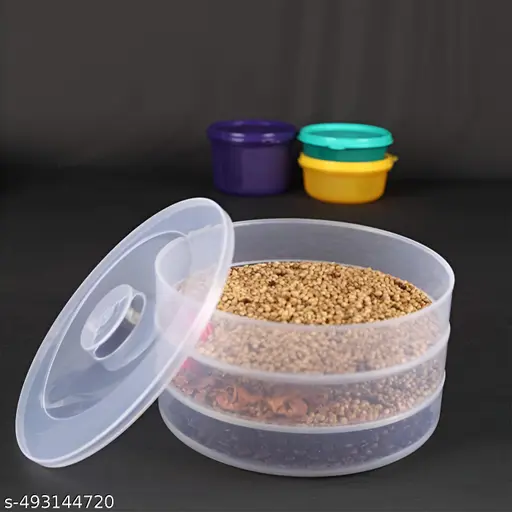
Jars & Containers: The Ultimate Guide to Storage, Organization, and Style
In every household, kitchen, or workplace, storage is a constant challenge. From organizing dry goods to preserving leftovers, and from keeping office supplies tidy to storing beauty essentials, jars and containers play an indispensable role. They are more than just storage solutions—they represent a lifestyle of order, convenience, and aesthetics.
Over the years, jars and containers have evolved from simple clay or glass vessels into modern, multifunctional products crafted from durable materials like stainless steel, BPA-free plastic, and even eco-friendly bamboo. Whether you want to declutter your pantry, streamline your fridge, or beautify your countertops, jars and containers are the answer.
This comprehensive guide will take you through the world of jars and containers—their history, types, uses, benefits, materials, organization tips, and buying advice.
A Brief History of Jars and Containers
Humans have been using containers since ancient times. Clay jars stored grains and water in Mesopotamia, amphoras carried wine across the Mediterranean, and glass jars became popular in ancient Rome. With industrialization, tin and metal containers made food preservation easier, while the invention of airtight Mason jars in the 19th century revolutionized storage by keeping food fresh for longer.
Today, jars and containers combine the timeless need for storage with modern innovation, offering stylish, functional, and sustainable options for every home.
Why Jars & Containers Matter
Organization – They keep your pantry, fridge, and workspace clutter-free.
Freshness – Airtight seals protect food from moisture, pests, and spoilage.
Convenience – Transparent designs allow easy identification.
Space Optimization – Stackable containers maximize storage space.
Sustainability – Reusable jars reduce single-use plastic waste.
Aesthetic Appeal – Sleek designs enhance kitchen décor.
Types of Jars and Containers
1. Glass Jars
Ideal for dry storage like rice, pasta, coffee, or cookies.
Heat-resistant, making them suitable for baking or microwave reheating.
Eco-friendly and 100% recyclable.
2. Plastic Containers
Lightweight and shatterproof.
Perfect for lunches, leftovers, and snacks.
Choose BPA-free for health safety.
3. Stainless Steel Containers
Durable, rust-free, and long-lasting.
Excellent for carrying cooked meals or storing spices.
Commonly used in Indian households (tiffin boxes).
4. Ceramic Jars
Decorative and ideal for pickles, jams, or dry snacks.
Retain flavors well but fragile.
5. Wooden or Bamboo Containers
Sustainable and eco-friendly.
Often used for tea, coffee, or sugar storage.
6. Vacuum-Sealed Containers
Designed for long-term freshness.
Ideal for perishable items like cheese, coffee beans, or nuts.
7. Specialty Jars
Mason jars for canning and preserving.
Spice jars with shaker lids.
Candy jars with wide mouths.
Common Uses of Jars & Containers
In the Kitchen
Pantry Organization: Store grains, pulses, cereals, and spices.
Meal Prep: Portion meals in advance.
Refrigerator Storage: Keep fruits, vegetables, and leftovers fresh.
Lunch Boxes: Containers for school or work meals.
Beyond the Kitchen
Bathroom: Store cotton balls, soaps, and bath salts.
Office: Organize stationery and supplies.
Craft Room: Perfect for buttons, beads, and sewing materials.
Garage: Store nails, screws, and small tools.
Beauty & Wellness: Keep skincare or DIY scrubs in small jars.
Benefits of Using Jars and Containers
1. Food Safety
Keeps food safe from contamination and pests.
2. Reduces Waste
Reusable containers cut down on disposable plastic bags and wraps.
3. Saves Money
Buying bulk items and storing them properly reduces frequent store visits.
4. Eco-Friendly Lifestyle
Glass, stainless steel, and bamboo containers promote sustainability.
5. Stylish Storage
Uniform jars with labels elevate your kitchen aesthetics.
Organization Tips with Jars & Containers
Label Everything
Use chalkboard stickers, printed labels, or marker pens.
Use Clear Containers
Transparent jars help you see contents at a glance.
Stack Smartly
Opt for stackable, modular containers to save vertical space.
Categorize
Group similar items together (snacks, grains, spices).
FIFO Method (First In, First Out)
Place older items in front to ensure nothing goes to waste.
Uniformity is Key
Matching jars create a neat, visually pleasing setup.
Materials Comparison
Feature Glass Plastic Stainless Steel Ceramic/Bamboo
Durability Fragile Strong but scratches Extremely durable Fragile
Eco-Friendly Yes No (unless recycled) Yes Yes
Transparency Clear view Transparent/opaque Opaque Opaque
Cost Moderate Low Higher Varies
Best For Pantry, fridge Lunch, snacks Meals, spices Decorative storage
Buying Guide: Choosing the Right Jars & Containers
Material Preference
Choose based on purpose: glass for pantry, steel for durability, plastic for portability.
Size & Capacity
Small jars for spices, large containers for flour or rice.
Airtight Seals
Essential for freshness and pest prevention.
Stackability
Great for small kitchens.
Ease of Cleaning
Dishwasher-safe containers save time.
Budget
Glass and bamboo are costlier but eco-friendly, plastic is budget-friendly.
Design & Style
Choose jars that match your kitchen or office décor.
Maintenance & Care
Glass & Ceramic: Handle carefully, avoid sudden temperature changes.
Plastic: Avoid microwaving unless labeled safe, prevent staining with turmeric or sauces.
Stainless Steel: Wash with mild soap, dry thoroughly to avoid water spots.
Bamboo/Wood: Wipe clean, avoid soaking in water.
Pros & Cons of Jars & Containers
Pros Cons
Keeps food fresh & organized Glass/ceramic can break easily
Eco-friendly reusable options Plastic may stain or retain odors
Wide variety of sizes and designs Stainless steel is opaque
Enhances kitchen aesthetics Premium jars can be expensive
Multipurpose (beyond kitchen use) Requires regular cleaning & care
Eco-Friendly Innovations
With growing concern for sustainability, many brands are introducing:
Borosilicate Glass Jars – Resistant to heat and eco-conscious.
Compostable Bamboo Containers – Biodegradable and natural.
Recycled Plastic Options – Reducing waste by repurposing plastics.
Refillable Bulk Jars – Encourage zero-waste shopping.
Popular Brands
Tupperware – Known for durable plastic containers.
Borosil – Glass jars and microwave-safe storage.
IKEA – Affordable, stylish, and functional options.
LocknLock – Airtight and stackable containers.
Local Handcrafted Brands – Ceramic and bamboo jars with artisanal designs.
Jars & Containers in Modern Trends
Minimalist Kitchens: Sleek glass jars with bamboo lids.
Smart Kitchens: Vacuum-sealed electric containers.
Rustic Homes: Clay or ceramic jars for traditional appeal.
Industrial Style: Stainless steel containers with brushed finishes.
Why Every Home Needs Jars & Containers
They prevent clutter and enhance efficiency.
Help build sustainable, low-waste lifestyles.
Make kitchens visually appealing and easier to navigate.
Offer long-term cost savings through bulk storage.
Final Thoughts
Jars and containers are no longer just storage tools—they are lifestyle enhancers. They combine practicality with design, helping households and offices stay organized while reducing waste and preserving freshness. From glass jars lining a pantry shelf to stainless steel containers carrying meals, each type has its unique charm and utility.
Investing in the right jars and containers tailored to your needs brings structure, efficiency, and elegance to everyday living. Whether you prioritize sustainability, style, or convenience, there is a perfect set waiting to transform your storage game.
So, the next time you think about decluttering your kitchen or office, start with the simplest yet most effective solution: jars and containers.