Corn Cutter: A Complete Guide to Functionality, Uses, and Benefits
Corn is one of the world’s most beloved foods. From freshly boiled corn on the cob to roasted street corn and creamy corn-based recipes, its versatility in the kitchen is unmatched. However, anyone who has ever tried to remove corn kernels from the cob knows how messy and frustrating it can be. That’s where a corn cutter becomes a must-have kitchen tool.
Compact, affordable, and incredibly useful, corn cutters simplify the process of separating kernels from the cob with minimal effort and maximum efficiency. In this detailed guide, we’ll explore what corn cutters are, the different types available, their benefits, usage tips, and even how to choose the right one for your kitchen.
What is a Corn Cutter?
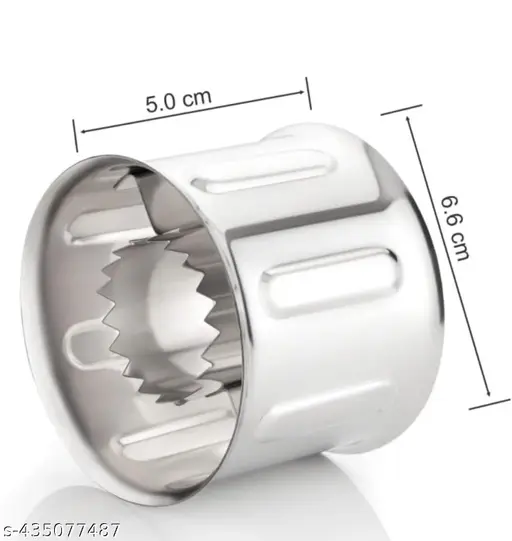
A corn cutter is a kitchen gadget designed to strip kernels off a corn cob quickly and neatly. Unlike knives, which can be dangerous and often leave uneven cuts, corn cutters are designed specifically for this task. They ensure precision, save time, and reduce food waste.
These devices come in various shapes and sizes, ranging from handheld tools to electric appliances. Whether you cook corn regularly or only seasonally, a corn cutter can be an invaluable addition to your kitchen arsenal.
Types of Corn Cutters
Corn cutters come in multiple designs, each catering to different needs and preferences. Here are the most common types:
1. Handheld Corn Strippers
Small, portable tools that glide along the cob.
Often come with stainless steel blades for durability.
Ideal for occasional use and small households.
2. Rolling Corn Cutters
Feature a circular blade that rolls along the cob, cutting kernels as it moves.
Efficient for medium quantities of corn.
3. Bowl-Attached Corn Cutters
A cutter fixed onto a bowl so kernels fall directly inside.
Minimizes mess and is perfect for preparing corn salads or soups.
4. Electric Corn Cutters
Motorized devices for large-scale cutting.
Commonly used in restaurants, cafeterias, or food processing businesses.
5. Wooden Corn Cutters (Traditional)
Old-fashioned designs with wooden bases and metal blades.
Still popular in some households for their simplicity and durability.
Benefits of Using a Corn Cutter
1. Saves Time and Effort
Removing kernels manually with a knife can take several minutes per cob. Corn cutters make the process quick and effortless.
2. Safety
Sharp knives increase the risk of accidental cuts. A corn cutter provides a safer alternative.
3. Uniform Kernel Removal
Corn cutters strip kernels evenly, improving both the appearance and cooking quality of dishes.
4. Minimizes Waste
They cut close to the cob, ensuring you get the maximum amount of corn without leaving behind wasted kernels.
5. Versatility in Cooking
Kernels removed with a corn cutter can be used in soups, salads, stir-fries, breads, tacos, and more.
6. Portable and Affordable
Most models are small enough to fit in a drawer and cost much less than other kitchen gadgets.
Common Uses of a Corn Cutter
Fresh Corn Salads – Quickly strip kernels to mix with vegetables, herbs, and dressings.
Soups and Chowders – Perfect for corn chowder, cream of corn, or corn soup.
Baking – Use kernels in cornbread, muffins, or casseroles.
Snacks and Sides – Make sautéed butter corn, fried corn, or roasted kernels.
Freezing Corn – Cut kernels neatly for storage in the freezer.
Baby Food – Ideal for preparing soft, fresh corn for infants.
How to Use a Corn Cutter
Although designs vary, the general process is simple:
Prepare the Corn
Cook or blanch corn if desired (soft kernels are easier to strip).
Dry the cob for a better grip.
Position the Cutter
Hold the cob vertically over a bowl or cutting board.
Place the corn cutter at the top of the cob.
Strip the Kernels
Glide or roll the cutter down the cob.
Kernels will fall neatly into a container or onto a board.
Repeat and Collect
Rotate the cob to strip remaining kernels.
Gather kernels for cooking, freezing, or serving.
Corn Cutter vs. Knife
Feature Corn Cutter Knife
Safety Safer, designed for purpose Risk of slips and cuts
Speed Fast and efficient Slower, requires practice
Uniformity Even kernel removal Uneven, some kernels wasted
Ease of Use Beginner-friendly Requires skill and precision
Mess Factor Kernels collected neatly Kernels scatter and fly around
Tips for Buying the Best Corn Cutter
When shopping for a corn cutter, consider these factors:
Material Quality
Stainless steel blades are rust-resistant and durable.
Wooden or plastic handles should be sturdy and ergonomic.
Design
Choose compact, easy-to-clean designs for everyday use.
Opt for bowl-attached or electric cutters if handling large quantities.
Ease of Cleaning
Look for dishwasher-safe or easily washable models.
Safety Features
Non-slip grips and protective blade covers are important.
Price and Brand
Reputable brands often provide better durability and warranties.
Maintenance and Care
Wash After Every Use: Prevents kernel residue from hardening.
Dry Thoroughly: Avoids rust on metal parts.
Sharpen Blades: Some models may require occasional sharpening.
Store Safely: Keep in a drawer or cover blades to avoid accidents.
Advantages for Households and Businesses
For Households
Quick meal prep.
Less mess in kitchens.
Great for families who eat corn often.
For Businesses
Time-efficient for restaurants and cafeterias.
Ensures consistent food quality.
Reduces labor costs in food preparation.
Creative Recipes with Cutter-Prepared Corn
Mexican Street Corn Salad (Esquites)
Toss kernels with lime, chili powder, mayo, and cheese.
Corn Fritters
Mix kernels with flour, eggs, and spices; fry until golden.
Creamed Corn
Blend kernels with cream, butter, and seasoning for a hearty side.
Corn Soup
A creamy, comforting dish perfect for chilly evenings.
Corn-Stuffed Tacos
Add kernels with beans, cheese, and veggies in tortillas.
Eco-Friendly Options
Some corn cutters are made using:
Sustainable Wood – Handles crafted from bamboo or other eco-friendly woods.
Minimal Plastic – Designs that reduce single-use plastic.
Durable Stainless Steel – Long-lasting tools reduce waste.
Pros and Cons of Corn Cutters
Pros Cons
Saves time and effort Not all models work well on tough kernels
Safer than knives Electric versions can be expensive
Compact and easy to store Requires extra kitchen drawer space
Affordable and widely available Some models need frequent cleaning
Reduces food waste Blades may dull over time
Popular Brands and Models
Some well-regarded brands include:
OXO Good Grips – Known for ergonomic designs.
Pampered Chef – Offers sturdy, high-quality kitchen tools.
Norpro – Affordable and durable options.
Victorio Kitchen Products – Specializes in food preparation gadgets.
Generic Stainless Steel Models – Budget-friendly for occasional users.
Corn Cutter in Traditional vs. Modern Kitchens
Traditionally, corn was cut with knives or wooden cutters passed down through generations. While still effective, these methods are time-consuming. Modern kitchens benefit from advanced corn cutters that combine safety, efficiency, and sleek design, catering to both busy home cooks and professional chefs.
Final Thoughts
The corn cutter may be a small kitchen gadget, but it brings big convenience. By making the process of stripping corn fast, safe, and mess-free, it enhances the cooking experience while saving time. Whether you’re preparing a quick salad at home or running a restaurant that requires bulk corn processing, there’s a cutter suited to your needs.
When buying one, focus on durability, ease of use, safety, and maintenance. With proper care, a good-quality corn cutter can last for years, ensuring you always have fresh, neatly prepared kernels ready for your favorite recipes.
As kitchens become smarter and more efficient, tools like the corn cutter remind us that sometimes, the simplest gadgets make the biggest difference.