Toe Straightener for Bunion and Big Toe Pain Relief: A Complete Guide
Foot problems are surprisingly common, especially as lifestyles shift between long hours of walking, standing, or wearing restrictive footwear. Among the most prevalent issues are bunions and big toe misalignment. These conditions cause discomfort, limit mobility, and even affect self-confidence. Thankfully, non-surgical aids like the toe straightener have gained popularity as a practical solution for managing bunion pain and correcting toe alignment.
This guide will help you understand what toe straighteners are, how they work, their benefits, types, and tips on choosing the best one for your needs.
Understanding Bunions and Toe Misalignment
What Is a Bunion?
A bunion (hallux valgus) is a bony bump that forms on the side of the foot at the base of the big toe. Over time, the big toe leans inward toward the smaller toes, causing the joint to protrude outward.
Symptoms of Bunions:
Pain and tenderness in the big toe joint
Redness and swelling around the joint
Corns or calluses from overlapping toes
Restricted movement in the big toe
Difficulty wearing certain types of footwear
Causes of Bunions:
Genetics (hereditary foot shape)
Wearing tight or narrow shoes, especially high heels
Arthritis and other joint conditions
Flat feet or overpronation
Repeated stress on the feet
What Is a Toe Straightener?
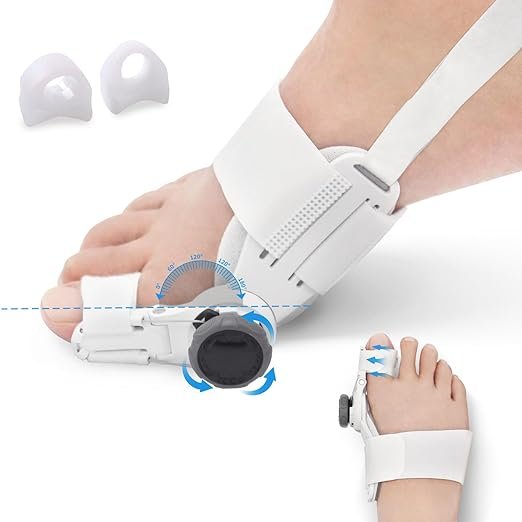
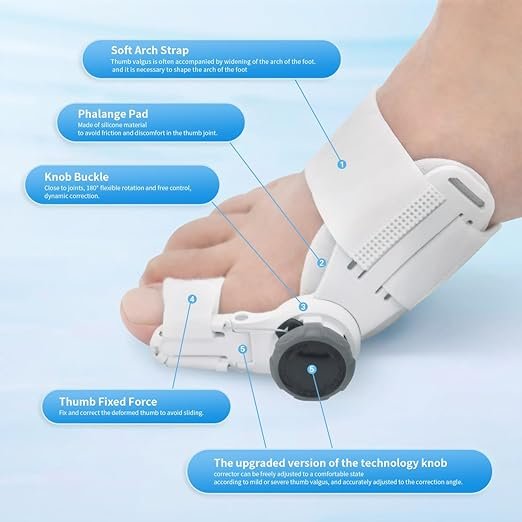
A toe straightener is a medical aid or orthotic device designed to align the big toe into its natural position, reducing strain on the joint and relieving bunion-related pain. It is typically worn over the toe and may include straps, splints, or gel cushions.
Toe straighteners are not a cure for bunions, but they are effective in:
Reducing discomfort caused by pressure and friction
Slowing the progression of bunion development
Improving alignment of the toes
Enhancing comfort when walking or standing
How Toe Straighteners Work
Toe straighteners function by gently applying pressure to reposition the big toe and maintain proper alignment. Depending on the type, they may:
Separate Toes – Gel spacers or separators keep the big toe from crowding the others.
Provide Cushioning – Soft materials protect bunions from shoe friction.
Support Joints – Splints and braces stabilize the toe joint.
Gradually Realign – Some straighteners use adjustable straps to slowly realign the toe over time.
Benefits of Using Toe Straighteners
1. Pain Relief
Reduces pressure on the bunion joint, easing discomfort during daily activities.
2. Improved Toe Alignment
Supports natural toe position and prevents worsening misalignment.
3. Non-Surgical Alternative
Provides relief without the risks and downtime of surgery.
4. Prevention of Further Deformity
Regular use can slow down bunion progression.
5. Better Mobility
By reducing pain and discomfort, toe straighteners allow easier walking.
6. Footwear Comfort
Helps make shoes more comfortable by reducing friction.
7. Cost-Effective Solution
Affordable compared to medical procedures and long-term treatments.
Types of Toe Straighteners
1. Gel Toe Separators
Soft silicone material
Worn between toes to prevent overlap
Comfortable for daily wear and with shoes
2. Bunion Splints
Adjustable straps and rigid frames
Usually worn at night
Provides maximum correction and alignment support
3. Toe Spacer Socks
Socks with built-in separators
Improve circulation while gently aligning toes
Comfortable for long-term use
4. Orthopedic Toe Braces
More structured, often with Velcro straps
Provides strong realignment and joint support
Best used at home or during rest
5. Daytime Correctors
Slim, discreet devices for wearing inside shoes
Allow mobility while correcting alignment
Toe Straightener vs Surgery
Factor Toe Straightener Surgery
Purpose Relieves pain, slows progression Permanent correction
Cost Affordable Expensive (surgical + recovery costs)
Recovery No downtime Weeks to months
Risk Minimal Infection, recurrence, complications
Effectiveness Moderate (non-curative) High (curative in most cases)
Toe straighteners are ideal for mild to moderate bunions or for people who want to avoid surgery.
How to Choose the Best Toe Straightener
Comfort – Soft materials like gel or silicone are best for all-day wear.
Purpose – For night use, pick splints; for daily wear, choose spacers or slim correctors.
Size & Fit – Ensure adjustable straps or universal sizing.
Durability – Look for high-quality medical-grade materials.
Lifestyle Needs – Consider whether you want something discreet for work or more supportive for home.
Ease of Cleaning – Washable and reusable materials are better for hygiene.
How to Use Toe Straighteners Safely
Start Slowly: Wear them for short periods, gradually increasing time.
Combine with Footwear Adjustments: Wear wide-toe box shoes to reduce pressure.
Foot Exercises: Toe stretches, rolling a ball under the foot, and strengthening exercises complement straightener use.
Night vs Day: Use splints at night for correction and spacers in the day for comfort.
Consult a Doctor: If you have severe bunions or other foot conditions, seek professional advice.
Pros and Cons of Toe Straighteners
Pros:
Affordable and accessible
Non-invasive
Immediate pain relief
Easy to use and maintain
Portable and discreet
Cons:
Not a permanent cure
Effectiveness varies by severity of bunions
Some models may feel uncomfortable at first
Requires consistent use for results
Additional Tips for Bunion and Toe Pain Relief
Footwear: Choose shoes with wide toe boxes and cushioning.
Orthotic Insoles: Provide additional arch and joint support.
Weight Management: Reduces stress on foot joints.
Ice Therapy: Relieves swelling and inflammation.
Massage: Improves blood circulation and relaxes foot muscles.
Popular Brands and Options
Dr. Scholl’s – Known for gel spacers and cushions.
Caretras – Offers adjustable bunion correctors.
Pedifix – Specializes in toe separators and bunion relief products.
Generic Silicone Separators – Affordable and widely available on e-commerce sites.
When to Seek Medical Advice
Toe straighteners are great for relief, but professional help is necessary if:
Pain persists or worsens despite regular use
Bunions interfere significantly with daily life
You notice rapid progression of deformity
There are signs of infection or severe swelling
Final Thoughts
The toe straightener for bunion and big toe pain relief is a practical, affordable, and non-invasive solution that helps millions manage foot discomfort. While it won’t “cure” bunions, it plays an essential role in pain management, slowing deformity progression, and improving quality of life.
For mild to moderate cases, combining toe straighteners with proper footwear, foot exercises, and lifestyle adjustments can deliver significant relief. For severe bunions, it serves as a supportive measure until surgical options are considered.
If you or someone you know struggles with bunion pain or toe misalignment, investing in a toe straightener could be the first step toward healthier, more comfortable feet.